

What is the sound level of a quiet basement dehumidifier?
May 12, 2025
As a supplier of basement dehumidifiers, I often receive inquiries from customers about the sound level of these devices, especially those looking for a quiet solution for their basements. A quiet basement dehumidifier is crucial for maintaining a comfortable living environment without causing excessive noise disturbances. In this blog post, I will delve into the factors that affect the sound level of a basement dehumidifier and provide insights into what you can expect from a quiet model.
Understanding Sound Levels
Before we discuss the sound level of a basement dehumidifier, it's important to understand how sound is measured. Sound is typically measured in decibels (dB). The human ear can perceive a wide range of sound levels, from the faintest whisper at around 20 dB to the roar of a jet engine at over 140 dB. For reference, a normal conversation usually takes place at around 60 dB, while a quiet library environment might be around 40 dB.
When it comes to dehumidifiers, the sound level can vary significantly depending on several factors, including the size of the unit, the type of compressor used, and the overall design of the dehumidifier. Generally, larger dehumidifiers tend to produce more noise because they have more powerful motors and compressors to remove a greater amount of moisture from the air. However, advancements in technology have allowed manufacturers to develop quieter models, even for larger-capacity dehumidifiers.
Factors Affecting the Sound Level of a Basement Dehumidifier
Compressor Type
The compressor is one of the main components of a dehumidifier, and its type can have a significant impact on the sound level. There are two main types of compressors used in dehumidifiers: reciprocating compressors and rotary compressors.
Reciprocating compressors are the traditional type and are known for being relatively noisy. They work by using a piston to compress the refrigerant gas, which can create vibrations and noise. On the other hand, rotary compressors are generally quieter because they use a rotating mechanism to compress the gas, resulting in smoother operation and less noise.
Fan Design
The fan in a dehumidifier is responsible for circulating the air through the unit. The design and size of the fan can also affect the sound level. A larger fan may be able to move more air with less effort, resulting in a quieter operation. Additionally, fans with aerodynamic blades are designed to reduce turbulence and noise.

Build Quality and Insulation
The build quality of a dehumidifier and the amount of insulation it has can also play a role in reducing noise. A well-built dehumidifier with high-quality materials and proper insulation can help dampen the noise generated by the compressor and fan. Some dehumidifiers are also designed with noise-reducing features, such as rubber feet to absorb vibrations and insulated cabinets.
What is a Quiet Sound Level for a Basement Dehumidifier?
A quiet basement dehumidifier typically has a sound level of around 40 - 50 dB. At this level, the noise produced by the dehumidifier is similar to the sound of a quiet library or a gentle rustling of leaves. This is considered a comfortable level of noise that should not cause significant disturbances in a basement environment.
However, it's important to note that the actual sound level you experience may vary depending on the specific model of the dehumidifier, the location where it is placed, and the ambient noise in the basement. For example, if the basement is already noisy due to external factors such as traffic or machinery, the sound of the dehumidifier may be less noticeable.
Our Quiet Basement Dehumidifier Options
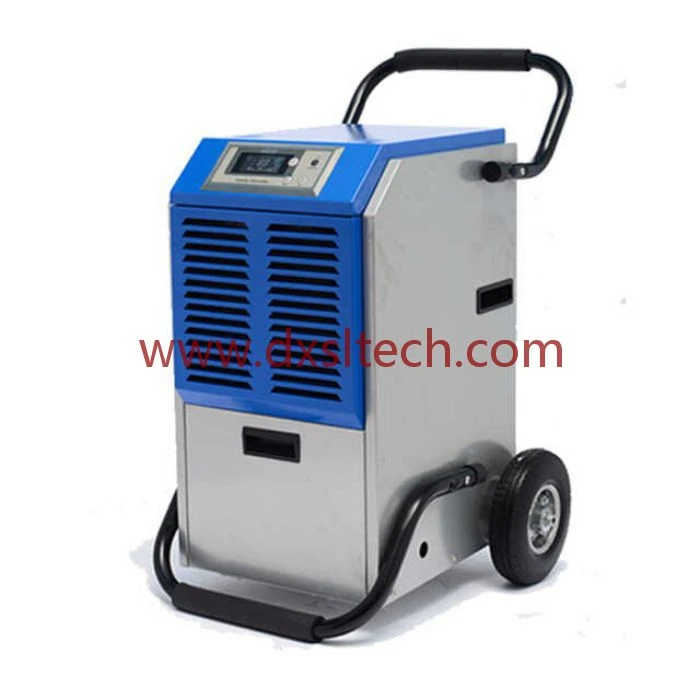
As a supplier of basement dehumidifiers, we offer a range of quiet models to meet the needs of our customers. Our Commercial Self Draining Dehumidifier, Sensor Dehumidifier, 220v/60hz, Metal Plates is a great option for those looking for a quiet and efficient dehumidifier. This model features a rotary compressor and a well-designed fan, resulting in a low sound level of around 45 dB.
In addition, our Anti-humidity Air Dryer is another quiet solution for basement moisture control. This compact dehumidifier is designed to operate quietly while effectively removing moisture from the air. It is also energy-efficient, making it a cost-effective choice for long-term use.
For larger basements or commercial applications, our Commercial Greenhouse Dehumidifier is a powerful yet quiet option. Despite its high capacity, this dehumidifier is engineered to produce minimal noise, thanks to its advanced compressor technology and noise-reducing design.

Tips for Reducing the Sound of a Basement Dehumidifier
If you already have a dehumidifier that is a bit noisy, there are several steps you can take to reduce the sound:
- Place the Dehumidifier on a Stable Surface: Placing the dehumidifier on a stable and level surface can help reduce vibrations and noise. Avoid placing it on a soft or uneven surface, as this can cause the unit to vibrate more.
- Use Rubber Pads or Mats: Placing rubber pads or mats under the dehumidifier can help absorb vibrations and reduce noise. You can find these pads at most hardware stores.
- Keep the Dehumidifier Away from Walls and Furniture: Allowing some space around the dehumidifier can help improve air circulation and reduce the noise reflected off walls and furniture.
- Clean the Dehumidifier Regularly: A dirty dehumidifier can cause the fan and compressor to work harder, resulting in more noise. Make sure to clean the filter and coils regularly to keep the unit running smoothly.
Conclusion
In conclusion, a quiet basement dehumidifier is an essential appliance for maintaining a comfortable and healthy living environment in your basement. The sound level of a dehumidifier can vary depending on several factors, but a quiet model typically has a sound level of around 40 - 50 dB. At our company, we offer a range of quiet basement dehumidifiers, including the Commercial Self Draining Dehumidifier, Sensor Dehumidifier, 220v/60hz, Metal Plates, Anti-humidity Air Dryer, and Commercial Greenhouse Dehumidifier.
If you are interested in learning more about our basement dehumidifiers or have any questions about sound levels and other features, please feel free to contact us. We are here to help you find the perfect dehumidifier for your needs.
References
- "Noise Measurement and Standards." Acoustical Society of America.
- "Dehumidifier Technology and Performance." ASHRAE Journal.