

What is the power consumption of an easy home dehumidifier?
Dec 03, 2025
What is the power consumption of an easy home dehumidifier?
As a supplier of easy home dehumidifiers, I often get asked about the power consumption of these essential appliances. Understanding the power consumption of a dehumidifier is crucial for consumers as it directly impacts their electricity bills and the overall cost - effectiveness of using the device. In this blog, I'll delve into the factors that influence the power consumption of easy home dehumidifiers and provide some insights to help you make an informed decision.

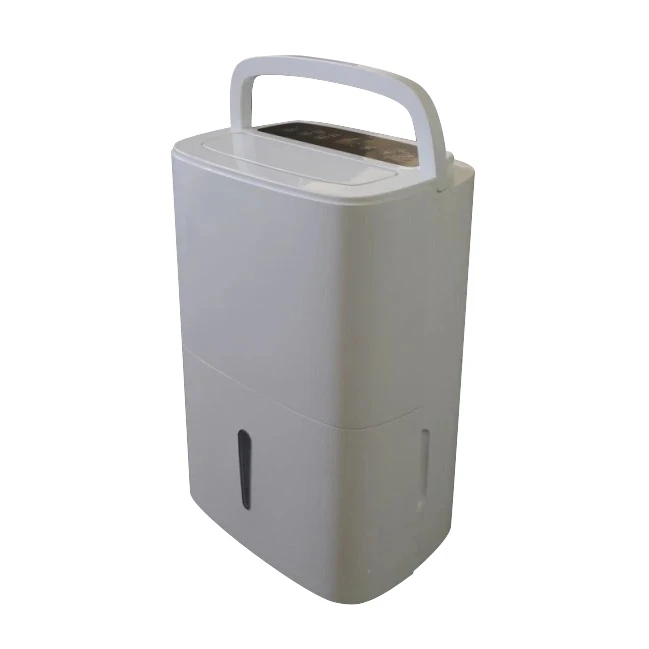
Factors Affecting Power Consumption
The power consumption of an easy home dehumidifier is not a fixed value; it can vary significantly based on several factors.
1. Capacity and Size
Larger dehumidifiers with higher capacity typically consume more power. These units are designed to handle larger areas and remove more moisture from the air in a given time. For example, a dehumidifier intended for a large basement or a commercial space will have a more powerful compressor and fan, which in turn require more electricity to operate. On the other hand, smaller, compact dehumidifiers are designed for smaller rooms like closets or bathrooms and consume less power. Our Compact Home Household Dehumidifier With Refrigerant Rotary Compressor, in Promotion is a great option for small - scale dehumidification needs and has relatively low power consumption.
2. Moisture Removal Rate
The rate at which a dehumidifier can remove moisture from the air, measured in pints per day (PPD), is another key factor. Dehumidifiers with a higher moisture removal rate need more energy to operate. A dehumidifier that can remove 70 pints of moisture per day will generally consume more power than one that can remove 30 pints per day. If you live in an area with high humidity levels, you may need a dehumidifier with a higher moisture removal rate, but be aware that it will also use more electricity.
3. Operating Mode
Most modern dehumidifiers come with different operating modes, such as continuous mode, automatic mode, and energy - saving mode. In continuous mode, the dehumidifier runs non - stop, which naturally leads to higher power consumption. The automatic mode, on the other hand, uses a built - in humidity sensor to turn the dehumidifier on and off as needed. This mode can significantly reduce power consumption as the unit only operates when the humidity level in the room exceeds a set threshold. Energy - saving mode is designed to further optimize power usage by adjusting the fan speed and compressor operation.
4. Fan Speed
The fan in a dehumidifier is responsible for circulating the air through the unit. Higher fan speeds require more power. Some dehumidifiers allow you to adjust the fan speed according to your needs. If you set the fan to a high speed, the dehumidifier will work faster to remove moisture, but it will also consume more electricity.
Typical Power Consumption Values
The power consumption of easy home dehumidifiers can range from as low as 20 watts to over 500 watts.
- Small Dehumidifiers: Small, portable dehumidifiers with a moisture removal rate of around 10 - 20 pints per day typically consume between 20 - 50 watts of power. These are ideal for small rooms like bathrooms, closets, or small offices.
- Medium - Sized Dehumidifiers: Medium - sized dehumidifiers, which can remove 30 - 50 pints of moisture per day, usually consume between 100 - 300 watts. They are suitable for living rooms, bedrooms, or small basements. Our Living Room Dehumidifier R290a falls into this category and offers a good balance between moisture removal and power consumption.
- Large Dehumidifiers: Large dehumidifiers designed for large basements or commercial spaces, with a moisture removal rate of 70 pints per day or more, can consume 300 - 500 watts or even more. The Quiet - Large - ventilation - home - dehumidifier - for - Basement is a powerful unit that can handle large areas but also has a relatively higher power consumption due to its size and capacity.
Calculating the Cost of Operation
To calculate the cost of operating a dehumidifier, you need to know the power consumption (in kilowatts) and the cost of electricity in your area (in dollars per kilowatt - hour).
First, convert the power consumption from watts to kilowatts by dividing the wattage by 1000. For example, if a dehumidifier consumes 200 watts, its power consumption in kilowatts is 200/1000 = 0.2 kilowatts.
Next, multiply the power consumption in kilowatts by the number of hours the dehumidifier runs per day. If the dehumidifier runs for 8 hours a day, the daily energy consumption is 0.2 kilowatts x 8 hours = 1.6 kilowatt - hours.
Finally, multiply the daily energy consumption by the cost of electricity per kilowatt - hour. If the cost of electricity is $0.15 per kilowatt - hour, the daily cost of operating the dehumidifier is 1.6 kilowatt - hours x $0.15 = $0.24.
Tips to Reduce Power Consumption
- Use the Right Size: Choose a dehumidifier that is appropriate for the size of the room. A unit that is too large for the space will consume more power than necessary, while a unit that is too small may not be able to effectively remove moisture.
- Utilize Energy - Saving Modes: Take advantage of the energy - saving features of your dehumidifier, such as automatic mode and adjustable fan speeds.
- Maintain the Dehumidifier: Regularly clean the air filter and coils of the dehumidifier. A dirty filter or coils can reduce the efficiency of the unit, causing it to consume more power.
Conclusion
Understanding the power consumption of an easy home dehumidifier is essential for both cost - conscious consumers and those looking to minimize their environmental impact. By considering the factors that affect power consumption, choosing the right size and model, and following energy - saving tips, you can enjoy a comfortable, dry environment without breaking the bank.
If you are interested in purchasing an easy home dehumidifier or have any questions about our products, please feel free to contact us for more information and to discuss your specific needs. We are here to help you find the perfect dehumidifier solution for your home.
References
- "Consumer Reports: Dehumidifiers". Consumer Reports, a well - known consumer advocacy organization that provides in - depth reviews and information on various household appliances, including dehumidifiers.
- "Energy Star: Dehumidifiers". Energy Star, a government - backed program that promotes energy - efficient products. Their website offers valuable information on the energy efficiency of different dehumidifier models.