

How to optimize the performance of a ducted dehumidifier?
Jan 15, 2026
Hey there! As a supplier of ducted dehumidifiers, I've seen firsthand how crucial it is to keep these machines running at their best. A well - optimized ducted dehumidifier can make a huge difference in indoor air quality, preventing mold growth, reducing musty odors, and making your living or working space more comfortable. So, let's dive into how you can optimize the performance of a ducted dehumidifier.
1. Proper Installation
The first step in optimizing your ducted dehumidifier's performance is getting it installed correctly. You need to place the unit in a well - ventilated area where it can easily draw in moist air. Make sure the ducts are properly sized and sealed. If the ducts are too small, it can restrict the airflow, and if they're not sealed well, you'll lose a lot of the conditioned air.
Also, consider the location of the intake and output vents. The intake vent should be placed in an area where there's a high concentration of moisture, like near a bathroom or a laundry room. The output vent should be directed outside or to an area where the dry air won't cause any issues.
When it comes to choosing the right ducted dehumidifier for your needs, we have some great options. Check out our New Air Dehumidifier, which is designed to provide efficient moisture removal in various settings.
2. Regular Maintenance
Just like any other appliance, ducted dehumidifiers need regular maintenance to perform at their peak. One of the most important maintenance tasks is cleaning or replacing the air filters. Over time, the filters can get clogged with dust, dirt, and other particles, which can reduce the airflow and make the unit work harder. You should clean or replace the filters at least once every three months, depending on how often you use the dehumidifier.
Another crucial part of maintenance is checking the coils. The evaporator and condenser coils can accumulate dirt and debris, which can affect the heat transfer process. If the coils are dirty, the dehumidifier will have to work longer and use more energy to remove the same amount of moisture. You can clean the coils with a soft brush or a coil cleaner, but if you're not comfortable doing it yourself, it's best to call a professional.
Don't forget to inspect the drainage system. A clogged drain line can cause water to back up into the unit, which can lead to damage. Make sure the drain line is clear and that the water is flowing freely out of the dehumidifier.
3. Correct Sizing
Using the right - sized ducted dehumidifier for your space is essential. If the unit is too small, it won't be able to remove enough moisture from the air, and if it's too large, it will cycle on and off too frequently, which can waste energy and reduce the lifespan of the unit.
To determine the correct size, you need to consider the square footage of the area you want to dehumidify, the level of humidity, and the number of people and appliances in the space. You can use a humidity calculator or consult with a professional to help you choose the right - sized unit. Our 200Pa Air Duct Dehumidifier is a great option for medium - sized spaces with average humidity levels.
4. Optimal Settings
Setting the right humidity level on your ducted dehumidifier is key to its performance. The ideal indoor humidity level is between 30% and 50%. If the humidity is too high, you'll start to notice mold growth, musty odors, and discomfort. If it's too low, the air can become dry, which can cause respiratory problems and damage to wooden furniture.
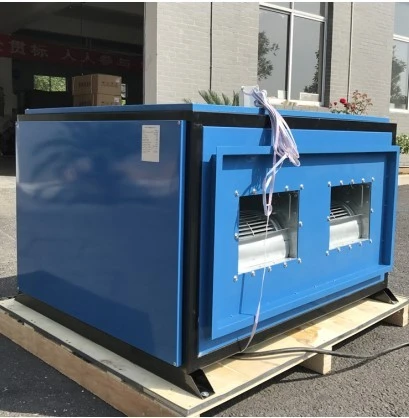
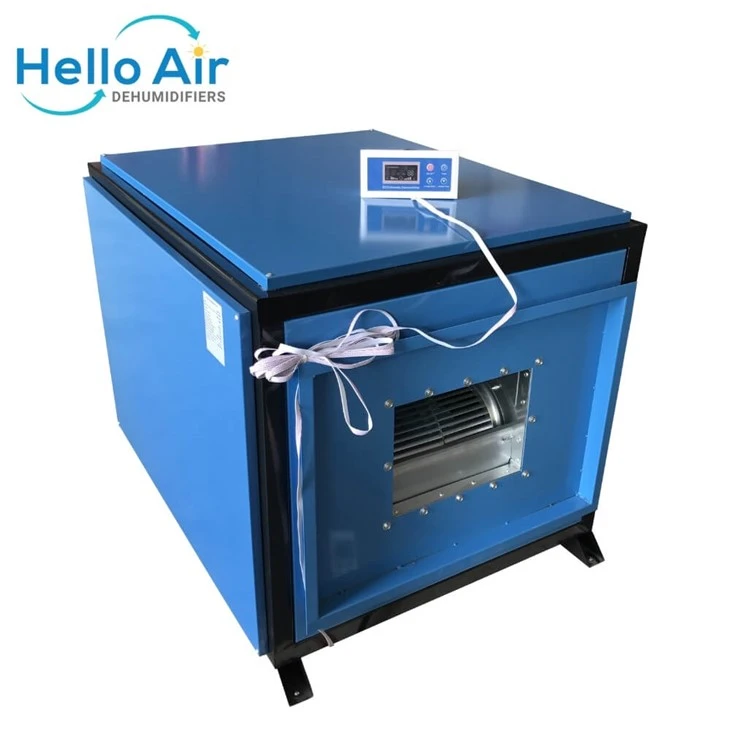
Most ducted dehumidifiers come with a built - in humidistat that allows you to set the desired humidity level. You should set the humidity level based on the season and the specific needs of your space. For example, in the summer, when the humidity is generally higher, you may need to set the dehumidifier to a lower humidity level.
5. Airflow Management
Good airflow is essential for the efficient operation of a ducted dehumidifier. You need to make sure that there are no obstructions in the ducts or around the unit. Furniture, curtains, or other objects can block the airflow, which can reduce the dehumidifier's performance.
You can also use fans to improve the airflow in the room. Place a fan near the intake vent to help draw in more moist air, and another fan near the output vent to distribute the dry air more evenly throughout the space.
6. Compressor Care
The compressor is the heart of the ducted dehumidifier. It's responsible for compressing the refrigerant and making the cooling process work. To keep the compressor in good condition, you should avoid overloading the unit. Don't set the humidity level too low or try to dehumidify a space that's much larger than the unit is designed for.
Also, make sure the compressor has enough ventilation. The compressor generates heat during operation, and if it can't dissipate the heat properly, it can overheat and fail. Keep the area around the compressor clean and free of debris.
7. Smart Control
Many modern ducted dehumidifiers come with smart control features. These features allow you to control the dehumidifier from your smartphone or other devices. You can adjust the humidity level, turn the unit on and off, and monitor its performance remotely.
Smart control can help you optimize the performance of your dehumidifier by allowing you to make adjustments based on real - time conditions. For example, if you're away from home and the humidity level in your house starts to rise, you can turn on the dehumidifier from your phone.
8. Energy Efficiency
Optimizing the performance of your ducted dehumidifier also means making it more energy - efficient. You can start by choosing an Energy Star - rated dehumidifier. These units are designed to use less energy while still providing effective moisture removal.
You can also use the dehumidifier in conjunction with other energy - saving measures. For example, if you have a central air conditioning system, you can set the dehumidifier to work in tandem with the AC. The AC will cool the air, and the dehumidifier will remove the excess moisture, which can reduce the overall energy consumption.
Our Wet Removal Dehumidifier is not only efficient at removing moisture but also designed to be energy - friendly.
In conclusion, optimizing the performance of a ducted dehumidifier involves a combination of proper installation, regular maintenance, correct sizing, optimal settings, and good airflow management. By following these tips, you can ensure that your dehumidifier works efficiently, saves energy, and provides a comfortable and healthy indoor environment.
If you're interested in purchasing a ducted dehumidifier or need more information on how to optimize its performance, feel free to reach out to us. We're here to help you make the best choice for your needs and ensure that your dehumidifier runs smoothly for years to come.
References
- "Residential Dehumidifiers: A Guide to Selection and Use" by the U.S. Department of Energy
- "HVAC Systems Design Handbook" by Ashrae