

How do I measure the humidity level in my room?
Aug 12, 2025
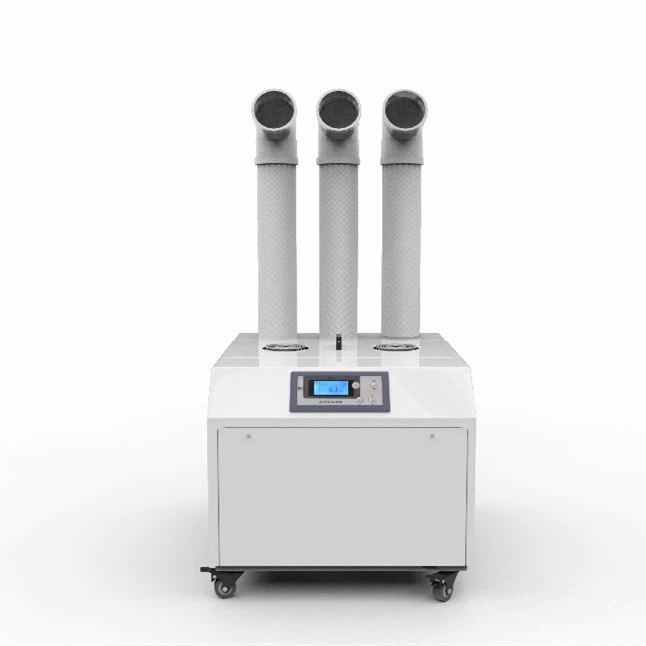
Measuring the humidity level in your room is a crucial aspect of maintaining a comfortable and healthy living environment. As a supplier of Ultrasonic Humidifiers, I understand the significance of accurate humidity measurement and how it relates to the effective use of our products. In this blog, I'll share various methods to measure room humidity and explain why it matters, especially when using our range of high - quality humidifiers such as the Mushroom Humidifier, Industrial Mist Humidifier, and Floor Standing Humidifier.

Why Measure Room Humidity?
Before diving into the measurement methods, let's understand why measuring humidity is so important. Optimal indoor humidity levels can have a profound impact on our health and well - being. When the air is too dry, it can cause a variety of problems, such as dry skin, irritated eyes, and respiratory issues. Dry air can also make it easier for viruses and bacteria to spread, increasing the risk of getting sick. On the other hand, excessive humidity can lead to the growth of mold and mildew, which can trigger allergies and asthma.
For the proper functioning of our Ultrasonic Humidifiers, accurate humidity measurement is essential. These humidifiers work by using high - frequency vibrations to create a fine mist that is released into the air. By knowing the current humidity level in the room, you can adjust the settings of the humidifier to achieve the ideal humidity range, typically between 30% and 50%.
Methods of Measuring Room Humidity
Hygrometers
Hygrometers are the most common and reliable tools for measuring humidity. There are several types of hygrometers available on the market, each with its own advantages and disadvantages.
Mechanical Hygrometers
Mechanical hygrometers are the oldest and simplest type. They typically use a hair or a strip of material that expands or contracts based on the humidity in the air. This movement is then translated into a humidity reading on a dial. These hygrometers are relatively inexpensive and easy to use. However, they may not be as accurate as other types, especially in extreme humidity conditions.
Digital Hygrometers
Digital hygrometers are more modern and accurate. They use electronic sensors to measure the humidity and display the results on a digital screen. Some digital hygrometers can also record humidity levels over time, allowing you to track changes in the room's humidity. They are generally more reliable than mechanical hygrometers and can provide more precise readings. However, they can be more expensive.
Psychrometers
Psychrometers, also known as wet - and - dry - bulb thermometers, work by comparing the temperatures of a wet bulb and a dry bulb. The difference in temperature between the two bulbs is used to calculate the relative humidity. While psychrometers can be accurate, they require some skill to use correctly. You need to ensure that the wet bulb is properly wetted and that the instrument is ventilated correctly.
Smart Home Devices
In the age of technology, many smart home devices can also measure humidity. Smart thermostats, for example, often come with humidity sensors. These devices can connect to your smartphone or other smart devices, allowing you to monitor the humidity level in your room remotely. They can also integrate with other smart home systems, such as your Ultrasonic Humidifier, to automatically adjust the humidity based on your preferences.
DIY Methods
If you don't have a hygrometer or a smart home device, there are some DIY methods you can try to get a rough estimate of the humidity level. One simple method is to use a glass of ice water. Fill a glass with ice water and let it sit in the room for a few minutes. If condensation forms on the outside of the glass within a minute or two, the humidity is likely high. If it takes longer or no condensation forms at all, the air is probably dry. However, this method is not very accurate and can only give you a general idea of the humidity.
Using Humidity Measurements with Ultrasonic Humidifiers
Once you have measured the humidity level in your room, you can use this information to adjust the settings of your Ultrasonic Humidifier. If the humidity is too low, you can increase the output of the humidifier to add more moisture to the air. If the humidity is too high, you can reduce the output or turn off the humidifier.
Our range of Ultrasonic Humidifiers, including the Mushroom Humidifier, Industrial Mist Humidifier, and Floor Standing Humidifier, are designed to be easy to use and adjust. They come with different settings and features that allow you to customize the humidity output according to your needs. For example, some of our humidifiers have a built - in hygrometer, which can automatically adjust the output based on the current humidity level in the room.
Conclusion
Measuring the humidity level in your room is an important step in creating a healthy and comfortable living environment. By using the right tools and methods, you can accurately measure the humidity and adjust the settings of your Ultrasonic Humidifier accordingly. Whether you choose a hygrometer, a smart home device, or a DIY method, the key is to regularly monitor the humidity and make adjustments as needed.
If you are interested in purchasing our high - quality Ultrasonic Humidifiers or have any questions about humidity measurement, please feel free to reach out to us for procurement and further discussion. We are committed to providing you with the best products and services to meet your needs.
References
- American Society of Heating, Refrigerating and Air - Conditioning Engineers (ASHRAE). (2017). ASHRAE Handbook - Fundamentals.
- World Health Organization (WHO). (2009). Indoor air quality: Dampness and mold.
- National Institute of Standards and Technology (NIST). (2019). Guide to Humidity Measurement.