

Can a ventilating dehumidifier be used in a storage room?
Nov 13, 2025
A storage room is a place where we keep various items, from seasonal clothing and old furniture to important documents and valuable collectibles. Maintaining the right environment in a storage room is crucial to prevent damage to these stored items. One common problem in storage rooms is high humidity, which can lead to mold growth, mildew, and deterioration of materials. This is where a ventilating dehumidifier comes into play. As a supplier of ventilating dehumidifiers, I often get asked whether these devices can be used effectively in a storage room. In this blog post, I will explore the feasibility and benefits of using a ventilating dehumidifier in a storage room.
Understanding the Problem of High Humidity in Storage Rooms
High humidity in a storage room can have several detrimental effects. Mold and mildew thrive in moist environments, and they can grow on almost any surface, including wood, fabric, and paper. This not only damages the stored items but can also pose health risks, especially for those with allergies or respiratory problems. Additionally, high humidity can cause metal objects to rust and wooden items to warp or rot.
The sources of humidity in a storage room can vary. It could be due to poor ventilation, water leaks, or the presence of damp soil if the storage room is located in a basement. In some cases, the items stored themselves can contribute to the humidity levels, such as if there are wet clothes or plants in the room.

How Ventilating Dehumidifiers Work
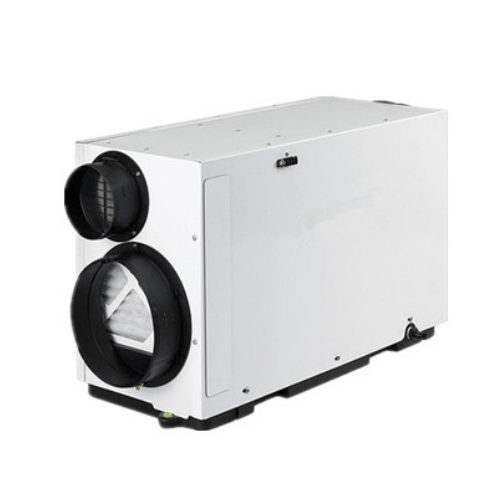
A ventilating dehumidifier is a device that combines the functions of ventilation and dehumidification. It works by drawing in moist air from the room, passing it through a cooling coil where the moisture condenses into water droplets, and then expelling the dry air back into the room. At the same time, it can also exchange the indoor air with fresh outdoor air, improving the overall air quality in the room.
There are different types of ventilating dehumidifiers available in the market, each with its own features and capabilities. For example, the Whole House Ventilation Dehumidifier is designed to provide comprehensive dehumidification and ventilation for an entire house, including storage rooms. It can be installed in the central ventilation system and adjust the humidity levels automatically according to the preset settings.
Another type is the 100KG Use Duct Dehumidifier, which is suitable for larger storage rooms or commercial storage facilities. It has a high dehumidification capacity and can be connected to the ductwork for efficient air circulation.
The Air Filter Ceiling Dehumidifier is a compact and easy-to-install option that can be mounted on the ceiling. It not only dehumidifies the air but also filters out dust and other pollutants, improving the air quality in the storage room.
Benefits of Using a Ventilating Dehumidifier in a Storage Room
- Preventing Mold and Mildew Growth: By reducing the humidity levels in the storage room, a ventilating dehumidifier can effectively prevent the growth of mold and mildew. This helps to protect the stored items from damage and keeps the room smelling fresh.
- Protecting Stored Items: High humidity can cause various types of damage to stored items, such as rusting of metal objects, warping of wooden items, and fading of fabrics. A ventilating dehumidifier can maintain a stable and dry environment, extending the lifespan of the stored items.
- Improving Air Quality: In addition to dehumidification, a ventilating dehumidifier can also exchange the indoor air with fresh outdoor air, removing stale air and odors from the storage room. This creates a more comfortable and healthy environment for anyone entering the room.
- Energy Efficiency: Modern ventilating dehumidifiers are designed to be energy-efficient, consuming less power while providing effective dehumidification and ventilation. This can help to reduce the energy costs associated with maintaining the storage room environment.
Factors to Consider When Choosing a Ventilating Dehumidifier for a Storage Room
- Room Size: The size of the storage room is an important factor to consider when choosing a ventilating dehumidifier. A larger room will require a dehumidifier with a higher capacity to effectively reduce the humidity levels. You can calculate the required dehumidification capacity based on the square footage of the room and the average humidity levels.
- Humidity Levels: The current humidity levels in the storage room will also determine the type and capacity of the dehumidifier needed. If the humidity levels are extremely high, you may need a more powerful dehumidifier or multiple units to achieve the desired results.
- Ventilation Requirements: Consider the ventilation needs of the storage room. If the room has poor natural ventilation, a ventilating dehumidifier with a higher ventilation rate may be necessary to ensure proper air circulation.
- Noise Level: Since a storage room may be located near living areas, the noise level of the dehumidifier is an important consideration. Look for a dehumidifier that operates quietly, especially if you plan to use it for extended periods.
Installation and Maintenance of Ventilating Dehumidifiers in Storage Rooms
Proper installation is crucial for the effective operation of a ventilating dehumidifier. It is recommended to have the dehumidifier installed by a professional to ensure that it is connected correctly to the power supply and ventilation system.
Regular maintenance is also important to keep the dehumidifier in good working condition. This includes cleaning the air filters regularly to prevent clogging, emptying the water tank (if applicable), and checking the coils and other components for any signs of damage or wear.
Conclusion
In conclusion, a ventilating dehumidifier can be a valuable addition to a storage room. It can effectively reduce humidity levels, prevent mold and mildew growth, protect stored items, and improve the overall air quality in the room. When choosing a ventilating dehumidifier, it is important to consider factors such as room size, humidity levels, ventilation requirements, and noise level. With proper installation and maintenance, a ventilating dehumidifier can provide long-term benefits for your storage room.
If you are interested in purchasing a ventilating dehumidifier for your storage room or have any questions about our products, please feel free to contact us for more information and to discuss your specific needs. We are committed to providing high-quality products and excellent customer service to help you create a dry and healthy storage environment.
References
- ASHRAE Handbook - Fundamentals. American Society of Heating, Refrigerating and Air-Conditioning Engineers.
- Indoor Air Quality Guidelines for Office Buildings. World Health Organization.