

Can a household dehumidifier be used in a garage?
Dec 11, 2025
Sure thing! Here's a 2700 - word blog on the topic.
Can a household dehumidifier be used in a garage?
Hey there! I'm a supplier of household dehumidifiers, and I've gotten this question a bunch of times: "Can a household dehumidifier be used in a garage?" It's a great question, and there's a lot to unpack. Let's dive right in.
First off, let's talk about why you'd want to control humidity in a garage in the first place. Garages are often damp spaces, and high humidity can do a number of nasty things. For one, it can lead to mold and mildew growth. You know that musty smell you sometimes catch in a garage? That's often the tell - tale sign of mold. And mold doesn't just stink; it can also damage your belongings stored in the garage, from cardboard boxes to tools.
High humidity can also cause rust and corrosion on metal items. If you've got a set of nice hand tools or a classic car in the garage, rust can be a real headache. It eats away at the metal, weakening it over time and making your stuff look shabby.
Now, can a household dehumidifier handle the job in a garage? Well, it depends on a few factors.
Size matters
The size of your garage is a huge factor. Household dehumidifiers come in different capacities, usually measured in pints of water they can remove per day. A small garage, say one that's around 200 - 300 square feet, might be okay with a smaller - capacity dehumidifier. But if you've got a large two - car or three - car garage that could be 600 square feet or more, you'll need a more powerful unit.
For instance, a typical small - capacity household dehumidifier might be able to remove 20 - 30 pints of water per day. This could work well in a small, enclosed garage with relatively low humidity levels. But for a larger space with high humidity, you'd want a dehumidifier that can handle 50 pints or more per day.
Our Stainless Steel Compact Desiccant Dehumidifier is a great option for smaller spaces. It's compact, so it won't take up too much room in your garage, and it can effectively reduce humidity levels in a confined area.
Humidity levels
The natural humidity levels in your area are also important. If you live in a super - humid region like the southeastern United States, your garage is going to have higher humidity levels compared to someone in a drier area. In a high - humidity area, you'll definitely need a more powerful dehumidifier.
Some areas experience seasonal humidity changes. In the summer, humidity can skyrocket, while in the winter it might drop. You might be able to get away with a smaller dehumidifier during the drier months and then need a bigger one in the summer.
Insulation and ventilation
The insulation and ventilation in your garage play a critical role. A well - insulated garage will hold the conditioned air better, making it easier for the dehumidifier to work effectively. On the other hand, a poorly insulated garage allows outside air to seep in, which can bring in more humidity.
Ventilation is a double - edged sword. On one hand, proper ventilation can help reduce humidity by allowing moist air to escape. But if your garage has too much ventilation in a humid environment, it can constantly let in more humid air, making it harder for the dehumidifier to catch up.
If your garage has a lot of gaps under the doors or around the windows, you might want to seal them up first. This will make the dehumidifier's job a whole lot easier.
Types of dehumidifiers
There are two main types of household dehumidifiers: refrigerant and desiccant.
Refrigerant dehumidifiers work by cooling the air, causing the moisture to condense into water droplets. They're great for normal - temperature and high - humidity environments. But they don't work as well in colder temperatures because the coils can freeze up.
Desiccant dehumidifiers, on the other hand, use a desiccant material (like silica gel) to absorb moisture from the air. They work well in colder temperatures and can be a good option for garages that don't get well - heated during the winter.
Our Air Drying Use Duct Dehumidifier is a desiccant - type dehumidifier. It's designed to handle different humidity and temperature conditions, making it a versatile option for garage use.
Noise level
Noise can be a factor, especially if your garage is attached to your house. Refrigerant dehumidifiers tend to be noisier because of the compressor. If you're worried about the noise, you might want to consider a desiccant dehumidifier, which is generally quieter.
Cost and maintenance
Cost is always a consideration. Household dehumidifiers can range in price from relatively cheap models to more expensive, high - end units. You'll need to balance your budget with the size and capacity you need.
Maintenance is also important. Most dehumidifiers need their water tanks emptied regularly. Some models have continuous drainage options, which can be really convenient. You'll also need to clean the filters periodically to keep the dehumidifier running efficiently.
If you're considering using a household dehumidifier in your garage, it's a good idea to first measure the humidity levels. You can buy a simple hygrometer at a home improvement store. This will give you an idea of how much humidity you're dealing with and help you choose the right dehumidifier.
Another thing to think about is the longevity of your dehumidifier. Using a household dehumidifier in a garage might put more strain on it compared to using it inside the house. The dirt and dust in the garage can clog the filters faster, and the wider temperature variations can affect the performance. So, you might want to factor in the potential need for more frequent repairs or replacements.
Garages with special items
If you've got special items in your garage, like a wine collection or a home gym, the humidity control becomes even more crucial. Wine needs a specific humidity range (around 50 - 70%) to age properly. A dehumidifier can help maintain that ideal level.
For a home gym, high humidity can make the air feel sticky and uncomfortable. It can also damage exercise equipment over time. A good dehumidifier can create a more pleasant working - out environment and extend the life of your equipment.
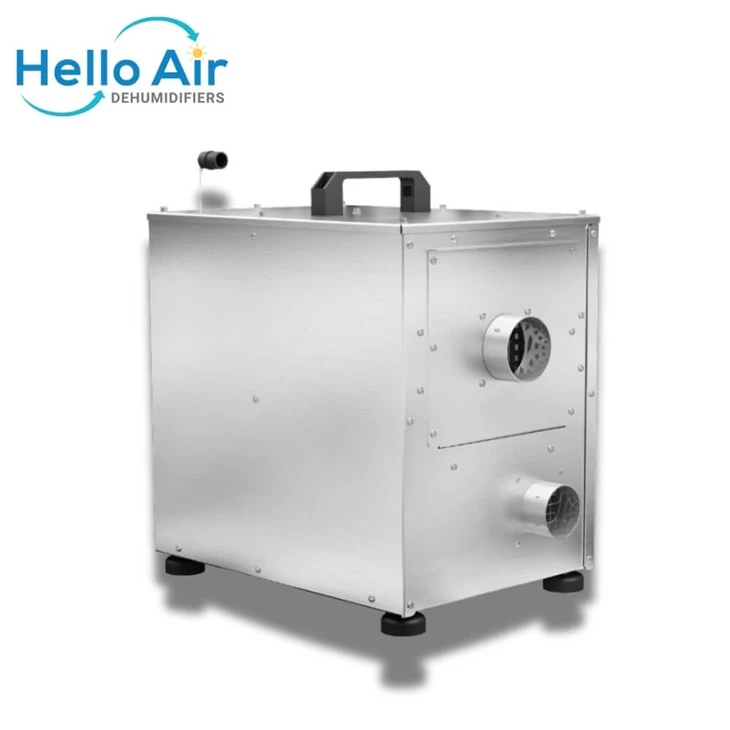
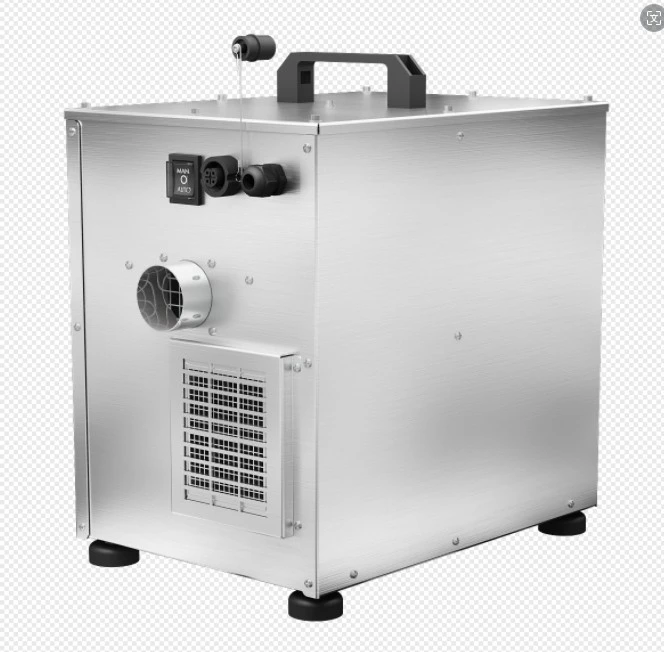
Our Marine Dehumidifier is a heavy - duty option that can handle tough conditions. It's built to be durable and can be a great choice if you've got a large garage with high humidity and a lot of valuable items.
In conclusion, a household dehumidifier can be used in a garage, but you need to consider the size of the garage, the humidity levels, the insulation and ventilation, the type of dehumidifier, noise, cost, and maintenance. If you do your research and choose the right unit, you can keep your garage dry, mold - free, and protect your belongings.
If you're interested in learning more about our range of household dehumidifiers or have any questions about using them in your garage, don't hesitate to reach out. We're here to help you make the right choice for your needs. Contact us to start a procurement discussion and find the perfect dehumidifier for your garage.
References
- "Home Humidity Control Guide." Home Depot.
- "Dehumidifiers: How They Work and Which One to Choose." Consumer Reports.