

Can a Fresh Air Dehumidifier work in a cold environment?
Oct 17, 2025
As a supplier of Fresh Air Dehumidifiers, I often encounter inquiries from customers about the performance of our products in different environmental conditions. One of the most frequent questions is whether a Fresh Air Dehumidifier can work effectively in a cold environment. In this blog post, I will delve into this topic and provide a comprehensive analysis based on scientific principles and practical experience.
How Fresh Air Dehumidifiers Work
Before discussing the performance of fresh air dehumidifiers in cold environments, it's essential to understand how these devices operate. Most fresh air dehumidifiers use one of two primary methods: refrigeration or desiccant.
Refrigeration dehumidifiers work by drawing in moist air through a fan. The air passes over a cold coil, causing the water vapor to condense into liquid water, which is then collected in a reservoir or drained away. The now-drier air is reheated and released back into the room. This process is highly effective in warm and humid conditions, as the lower temperature of the coil promotes rapid condensation.
Desiccant dehumidifiers, on the other hand, use a desiccant material, such as silica gel or activated alumina, to absorb moisture from the air. The moist desiccant is then regenerated by heating it, releasing the absorbed water vapor. Desiccant dehumidifiers are more suitable for low-temperature and low-humidity environments, as they do not rely on condensation to remove moisture.
Performance in Cold Environments
The performance of a fresh air dehumidifier in a cold environment depends on several factors, including the type of dehumidifier, the temperature, and the humidity level.
Refrigeration Dehumidifiers
Refrigeration dehumidifiers can face challenges in cold environments. As the temperature drops, the efficiency of the condensation process decreases. At very low temperatures, the water vapor in the air may not condense on the cold coil, reducing the dehumidification capacity of the unit. Additionally, the cold air can cause the coil to frost over, further impeding the dehumidification process.
To mitigate these issues, some refrigeration dehumidifiers are equipped with defrosting mechanisms. These systems periodically heat the coil to melt the frost and restore normal operation. However, even with defrosting, the dehumidification capacity of a refrigeration dehumidifier will still be significantly reduced in cold environments.
Desiccant Dehumidifiers
Desiccant dehumidifiers are generally more suitable for cold environments than refrigeration dehumidifiers. Since they rely on absorption rather than condensation, they can effectively remove moisture from the air at low temperatures. The performance of a desiccant dehumidifier is less affected by temperature, making it a better choice for applications where the ambient temperature is consistently low.
However, desiccant dehumidifiers also have their limitations. The regeneration process requires energy, and in very cold environments, the energy consumption may increase as the desiccant needs to be heated more to release the absorbed moisture. Additionally, the desiccant material has a finite capacity, and it may need to be replaced or regenerated more frequently in high-humidity conditions.
Practical Considerations
When considering using a fresh air dehumidifier in a cold environment, there are several practical considerations to keep in mind.
Temperature Range
Most dehumidifiers have a specified temperature range within which they can operate effectively. It's important to choose a dehumidifier that is suitable for the expected temperature conditions in your application. For example, if you need to dehumidify a cold storage facility or a basement in a cold climate, a desiccant dehumidifier may be a better choice.
Humidity Level
The humidity level in the environment also plays a crucial role in determining the effectiveness of a dehumidifier. In cold environments, the relative humidity may be lower, but the absolute humidity (the actual amount of water vapor in the air) can still be significant. A dehumidifier with a high capacity may be required to remove the moisture effectively.
Installation and Placement
Proper installation and placement of the dehumidifier are essential for optimal performance. In cold environments, it's important to ensure that the dehumidifier is installed in a location where it can draw in air from the areas that need to be dehumidified. Additionally, the dehumidifier should be placed away from sources of cold air, such as windows or doors, to prevent the coil from frosting over.
Our Product Offerings
As a supplier of Fresh Air Dehumidifiers, we offer a range of products suitable for different environmental conditions, including cold environments. Our product portfolio includes:
- 90L Ventilating System Dehumidifier: This high-capacity dehumidifier is designed for large spaces and can effectively remove moisture in both warm and cold environments. It features advanced defrosting technology to ensure reliable operation in low temperatures.
- Drying Duct Use Dehumidifier: This dehumidifier is specifically designed for use in drying ducts and can operate effectively in cold and humid conditions. It uses a desiccant material to absorb moisture, making it suitable for low-temperature applications.
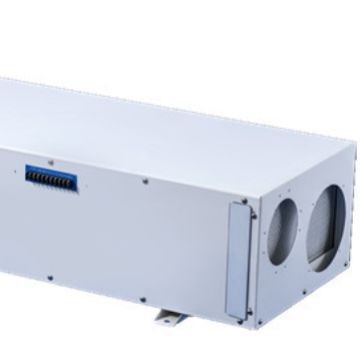
- Fresh Air Ducted Dehumidifier: This ducted dehumidifier can be integrated into a ventilation system to provide continuous dehumidification in large areas. It is available in both refrigeration and desiccant models, allowing you to choose the most suitable option for your needs.
Conclusion
In conclusion, a Fresh Air Dehumidifier can work in a cold environment, but the performance depends on the type of dehumidifier and the specific environmental conditions. Refrigeration dehumidifiers may face challenges in cold environments due to reduced condensation efficiency and frosting issues, while desiccant dehumidifiers are generally more suitable for low-temperature applications.
When choosing a dehumidifier for a cold environment, it's important to consider the temperature range, humidity level, and installation requirements. Our range of Fresh Air Dehumidifiers offers solutions for different needs, ensuring effective dehumidification in both warm and cold conditions.

If you have any questions or need assistance in selecting the right dehumidifier for your application, please feel free to contact us. We are here to help you make an informed decision and provide you with the best dehumidification solution.
References
- ASHRAE Handbook - Fundamentals. American Society of Heating, Refrigerating and Air-Conditioning Engineers.
- "Dehumidification in Cold Environments: A Review." Journal of Building Physics.
- Product manuals and technical specifications of our Fresh Air Dehumidifiers.