

Can a desiccant dehumidifier be used in a storage unit?
Jun 25, 2025
Hey there! As a supplier of desiccant dehumidifiers, I often get asked whether these nifty devices can be used in a storage unit. Well, you bet they can! And in this blog, I'm gonna break down why, how, and which ones are the best fit for your storage needs.
Why Use a Desiccant Dehumidifier in a Storage Unit?
First off, let's talk about why humidity is a big deal in storage units. Excess moisture can lead to all sorts of problems. It can cause mold and mildew to grow on your stored items, which not only looks bad but can also damage things like clothes, furniture, and electronics. Rust can form on metal objects, and wood can warp or rot. Plus, high humidity can make the air in the storage unit feel stuffy and unpleasant.
Desiccant dehumidifiers are great for storage units because they work well in a wide range of temperatures, including colder ones. Unlike refrigerant dehumidifiers that can struggle in low temperatures, desiccant dehumidifiers use a desiccant material (like silica gel) to absorb moisture from the air. This means they can keep working efficiently even when it's chilly outside, which is perfect for storage units that might not be climate - controlled.
How Do Desiccant Dehumidifiers Work in Storage Units?
So, how exactly do these things operate in a storage unit? It's actually pretty straightforward. The desiccant dehumidifier pulls in the moist air from the storage unit. As the air passes through the desiccant material, the moisture is absorbed. Then, the now - dry air is blown back into the storage unit.
Over time, this process reduces the overall humidity level in the unit. You can set the dehumidifier to maintain a specific humidity level, depending on what you're storing. For example, if you're storing delicate documents or antiques, you might want to keep the humidity around 30 - 40%. If it's just general household items, a humidity level of 40 - 50% could be sufficient.
Types of Desiccant Dehumidifiers for Storage Units
Now, let's look at some of the desiccant dehumidifiers we offer that are well - suited for storage units.
SZO Silica Gel Dehumidifier
The SZO Silica Gel Dehumidifier is a great option for smaller storage units. It's compact and easy to move around. The silica gel desiccant is very effective at absorbing moisture, and it's also reusable. You can regenerate the silica gel by heating it up, which drives out the absorbed moisture and allows it to be used again. This is a cost - effective solution for keeping the air dry in a small - to - medium - sized storage space.
1000L/day Classic Temperature Controlling Rotary Desiccant Drying Dehumidifier, With Superpower Capacity, For Factory
If you have a large storage unit or a storage facility, the 1000L/day Classic Temperature Controlling Rotary Desiccant Drying Dehumidifier, With Superpower Capacity, For Factory is the way to go. This bad boy has a huge capacity, meaning it can remove a large amount of moisture from the air in a short period. It also has temperature - controlling features, so you can ensure that the storage environment stays at an optimal temperature and humidity level. It's designed to handle the high - volume air circulation needed in large spaces.
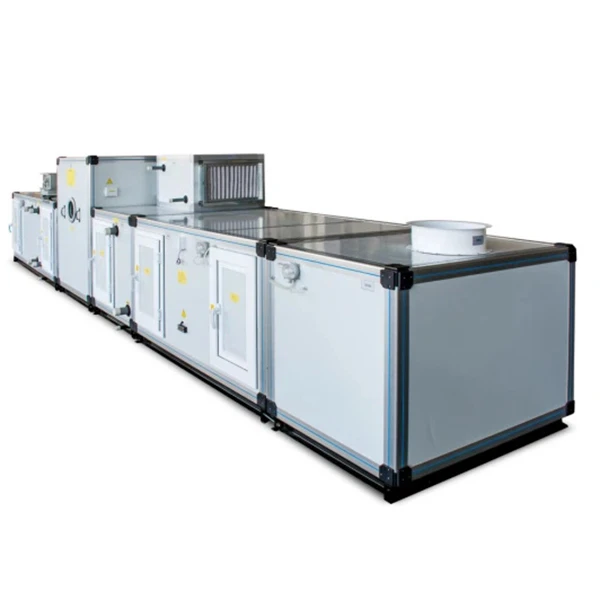
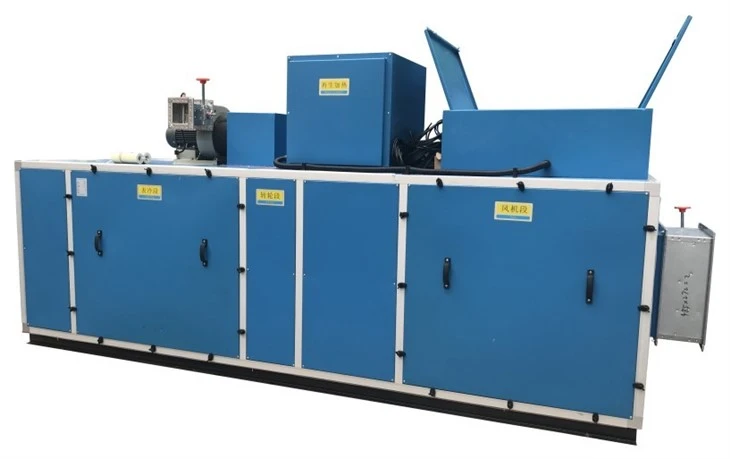
Diagnostic Reagent Desiccant Dehumidifier
For storage units where you're storing sensitive items like diagnostic reagents, the Diagnostic Reagent Desiccant Dehumidifier is ideal. These reagents are often very sensitive to changes in humidity and temperature. This dehumidifier is specifically engineered to maintain a very precise and stable humidity level, ensuring that your stored reagents remain in good condition.
Factors to Consider When Choosing a Desiccant Dehumidifier for a Storage Unit
When you're picking a desiccant dehumidifier for your storage unit, there are a few things you need to think about.
Size of the Storage Unit
The size of the unit is crucial. A small dehumidifier won't be able to handle a large storage space effectively, and a large dehumidifier in a small unit will be overkill and waste energy. Measure the square footage of your storage unit and choose a dehumidifier with an appropriate capacity.
Type of Items Stored
What you're storing also matters. If it's just general household items, you have more flexibility in terms of humidity levels. But if you're storing valuable or sensitive items like electronics, art, or documents, you'll need a dehumidifier that can maintain a very specific and low humidity level.
Energy Efficiency
You don't want your dehumidifier to cost you a fortune in electricity bills. Look for models with good energy - efficiency ratings. Some of our dehumidifiers are designed to use less energy while still providing excellent moisture - removal performance.
Tips for Using a Desiccant Dehumidifier in a Storage Unit
Here are some tips to get the most out of your desiccant dehumidifier in a storage unit:
- Place it Properly: Put the dehumidifier in a central location in the storage unit so that the air can circulate around it easily. Avoid placing it near walls or large objects that could block the airflow.
- Regular Maintenance: Check the desiccant material regularly and replace or regenerate it as needed. Also, clean the filters on the dehumidifier to ensure it keeps working efficiently.
- Monitor the Humidity: Use a hygrometer to keep an eye on the humidity level in the storage unit. This way, you can adjust the settings on your dehumidifier if necessary.
Conclusion
In conclusion, desiccant dehumidifiers are a fantastic choice for storage units. They can prevent moisture - related problems, protect your stored items, and create a more pleasant storage environment. Whether you have a small storage locker or a large storage facility, we have a desiccant dehumidifier that's right for you.
If you're interested in learning more about our desiccant dehumidifiers or have questions about which one is best for your storage unit, don't hesitate to reach out. We're here to help you make the right choice and ensure your storage needs are met.
References
- American Society of Heating, Refrigerating and Air - Conditioning Engineers (ASHRAE) standards on humidity control in storage environments.
- Industry research on the performance of desiccant dehumidifiers in different conditions.