

Can a desiccant dehumidifier be used in a kitchen?
Nov 05, 2025
Can a Desiccant Dehumidifier Be Used in a Kitchen?
As a supplier of desiccant dehumidifiers, I often receive inquiries about the suitability of our products for various environments. One question that comes up frequently is whether a desiccant dehumidifier can be used in a kitchen. In this blog post, I'll explore the feasibility of using a desiccant dehumidifier in a kitchen, the benefits it can bring, and some considerations to keep in mind.
Understanding Desiccant Dehumidifiers
Before delving into the kitchen application, let's briefly understand what desiccant dehumidifiers are. Desiccant dehumidifiers work by using a desiccant material, such as silica gel or a desiccant wheel, to adsorb moisture from the air. Unlike refrigerant dehumidifiers, which cool the air to condense moisture, desiccant dehumidifiers can effectively remove moisture even at low temperatures. This makes them suitable for a wide range of environments, including those where refrigerant dehumidifiers may not perform optimally.
There are different types of desiccant dehumidifiers available, each with its own features and applications. For example, the Silica Gel Desiccant Dehumidifier uses silica gel as the desiccant material, which is known for its high moisture adsorption capacity. On the other hand, the 1000L/day Classic Temperature Controlling Rotary Desiccant Drying Dehumidifier, With Superpower Capacity, For Factory is designed for industrial applications with its large capacity and temperature control features. The Low Temperature Rotary Desiccant Air Drying Machine is specifically designed to operate effectively at low temperatures.
The Kitchen Environment and Moisture Issues
Kitchens are known to be high-moisture environments. Activities such as cooking, boiling water, and washing dishes release a significant amount of moisture into the air. This excess moisture can lead to several problems, including:
- Mold and Mildew Growth: High humidity levels create an ideal environment for mold and mildew to grow. Mold and mildew not only damage the kitchen surfaces but can also pose health risks, especially for individuals with allergies or respiratory problems.
- Condensation: Moisture in the air can condense on cold surfaces, such as windows, walls, and cabinets. Condensation can cause water stains, damage paint and wallpaper, and promote the growth of mold and mildew.
- Odor and Stale Air: Excess moisture can trap odors in the air, making the kitchen smell stale and unpleasant. It can also contribute to the growth of bacteria, which can further exacerbate the odor problem.
- Damage to Kitchen Equipment: High humidity levels can damage kitchen equipment, such as appliances, utensils, and storage containers. Moisture can cause rust, corrosion, and electrical problems, reducing the lifespan of the equipment.
Benefits of Using a Desiccant Dehumidifier in the Kitchen
Using a desiccant dehumidifier in the kitchen can offer several benefits:
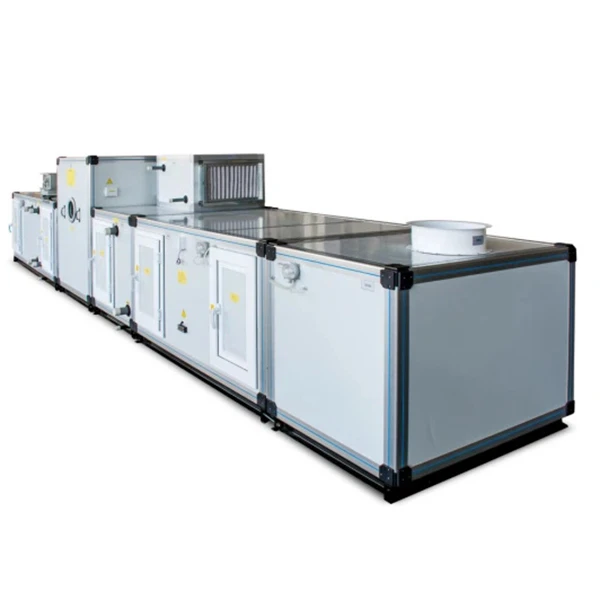
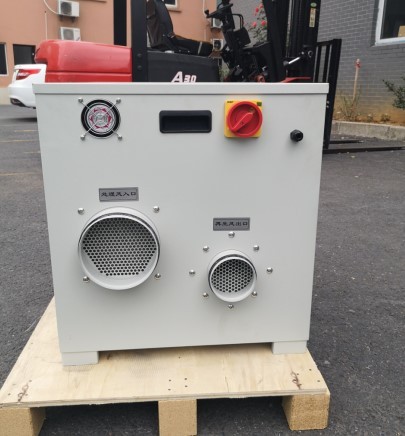
- Moisture Control: A desiccant dehumidifier can effectively remove excess moisture from the air, reducing the humidity levels in the kitchen. This helps prevent mold and mildew growth, condensation, and odor problems.
- Improved Air Quality: By removing moisture from the air, a desiccant dehumidifier can also improve the air quality in the kitchen. It helps reduce the presence of allergens, such as mold spores and dust mites, and eliminates stale odors, creating a healthier and more comfortable environment.
- Protection of Kitchen Equipment: Maintaining a low humidity level in the kitchen can help protect kitchen equipment from damage. It reduces the risk of rust, corrosion, and electrical problems, extending the lifespan of the appliances and utensils.
- Enhanced Comfort: A dehumidified kitchen feels more comfortable, especially during hot and humid weather. It reduces the stickiness and stuffiness in the air, making it easier to work in the kitchen.
Considerations When Using a Desiccant Dehumidifier in the Kitchen
While using a desiccant dehumidifier in the kitchen can be beneficial, there are some considerations to keep in mind:
- Size and Capacity: The size and capacity of the desiccant dehumidifier should be appropriate for the size of the kitchen. A dehumidifier that is too small may not be able to effectively remove moisture from the air, while a dehumidifier that is too large may consume more energy than necessary.
- Placement: The desiccant dehumidifier should be placed in a location where it can effectively circulate the air in the kitchen. It should be placed away from heat sources, such as stoves and ovens, and should not block the airflow.
- Maintenance: Like any other appliance, a desiccant dehumidifier requires regular maintenance. This includes cleaning the air filter, emptying the water tank (if applicable), and replacing the desiccant material (if necessary).
- Noise Level: Some desiccant dehumidifiers can be noisy, especially when operating at high speeds. Consider the noise level of the dehumidifier and choose a model that is quiet enough for your kitchen environment.
- Energy Consumption: Desiccant dehumidifiers typically consume more energy than refrigerant dehumidifiers. However, the energy consumption can vary depending on the model and the usage. Look for a desiccant dehumidifier with energy-efficient features to reduce your energy costs.
Conclusion
In conclusion, a desiccant dehumidifier can be a valuable addition to a kitchen. It can effectively control moisture levels, improve air quality, protect kitchen equipment, and enhance comfort. However, it is important to choose the right size and model of the desiccant dehumidifier and to consider the placement, maintenance, noise level, and energy consumption.
If you are interested in purchasing a desiccant dehumidifier for your kitchen or have any questions about our products, please feel free to contact us. We are a leading supplier of desiccant dehumidifiers and can provide you with the best solutions for your specific needs.
References
- ASHRAE Handbook of Fundamentals. American Society of Heating, Refrigerating and Air-Conditioning Engineers.
- Moisture Control in Buildings. Building Science Corporation.