

Can a dehumidifier for a house be used in a crawl space?
Dec 01, 2025
Can a Dehumidifier for a House Be Used in a Crawl Space?
As a supplier of dehumidifiers for houses, I often get asked whether a standard house dehumidifier can be used in a crawl space. This is a valid question, as crawl spaces present unique environmental conditions that may differ from the rest of a house. In this blog post, I'll explore the feasibility of using a house dehumidifier in a crawl space, the considerations involved, and the potential benefits and drawbacks.
Understanding Crawl Spaces
Crawl spaces are areas beneath a house that are typically not fully finished or occupied. They are often used for accessing plumbing, electrical, and HVAC systems. These spaces are prone to high humidity levels due to several factors. Ground moisture can seep through the soil and into the crawl space, especially if there is poor drainage around the foundation. Additionally, the lack of proper ventilation in crawl spaces can trap moisture, creating a damp and humid environment.
High humidity in crawl spaces can lead to a variety of problems. It can promote the growth of mold and mildew, which not only damage the structure of the house but also pose health risks to the occupants. Excess moisture can also cause wood to rot, leading to structural issues over time. Pests such as termites and cockroaches are also attracted to damp environments, further exacerbating the problem.
Using a House Dehumidifier in a Crawl Space
The short answer is yes, a house dehumidifier can be used in a crawl space. However, there are several factors to consider before doing so.
Size and Capacity: The first consideration is the size of the crawl space. A dehumidifier's capacity is measured in pints per day, which indicates how much moisture it can remove from the air in a 24 - hour period. You need to choose a dehumidifier with a capacity that is appropriate for the size of the crawl space. A general rule of thumb is to calculate the square footage of the crawl space and select a dehumidifier based on its recommended coverage area. For example, a small crawl space of around 200 - 300 square feet may require a dehumidifier with a capacity of 20 - 30 pints per day, while a larger crawl space of 500 - 1000 square feet may need a 50 - 70 pint per day dehumidifier.
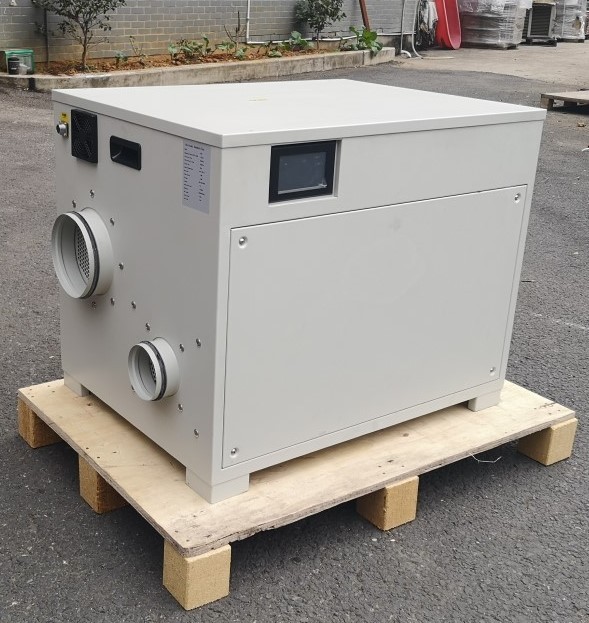
Type of Dehumidifier: There are two main types of dehumidifiers: refrigerant dehumidifiers and desiccant dehumidifiers. Refrigerant dehumidifiers work by cooling the air to condense moisture, while desiccant dehumidifiers use a desiccant material to absorb moisture. In a crawl space, desiccant dehumidifiers may be more suitable in some cases. They tend to work better in colder temperatures, which are common in crawl spaces. For instance, our Best Selling Logistics Dehumidifier, Horizontal Type Desiccant Building Dryer is designed to effectively remove moisture even in low - temperature environments. It has a high - capacity desiccant wheel that can continuously absorb moisture from the air, making it a great option for crawl spaces.
Ventilation: Adequate ventilation is crucial when using a dehumidifier in a crawl space. Without proper ventilation, the dehumidifier may struggle to remove moisture effectively. You can install vents in the crawl space to allow fresh air to enter and moist air to exit. This will help the dehumidifier work more efficiently and prevent the buildup of stale air.
Accessibility and Maintenance: Crawl spaces can be difficult to access, which can make maintenance of the dehumidifier challenging. You need to ensure that the dehumidifier is placed in a location where it can be easily reached for tasks such as emptying the water tank, cleaning the filters, and performing regular maintenance. Our Stainless Steel Compact Desiccant Dehumidifier is designed with a compact size and easy - to - access components, making it suitable for use in crawl spaces where space may be limited and accessibility is a concern.
Benefits of Using a Dehumidifier in a Crawl Space
Preventing Mold and Mildew Growth: By reducing the humidity levels in the crawl space, a dehumidifier can prevent the growth of mold and mildew. This not only protects the structural integrity of the house but also improves the indoor air quality, reducing the risk of respiratory problems for the occupants.

Protecting the Structure: High humidity can cause wood to rot and metal to rust. A dehumidifier helps to maintain a dry environment, which protects the wooden beams, joists, and other structural components of the house from damage.
Reducing Pest Infestations: Pests are attracted to damp environments. By keeping the crawl space dry, a dehumidifier can make the area less appealing to pests such as termites, cockroaches, and rodents, reducing the likelihood of infestations.
Drawbacks of Using a House Dehumidifier in a Crawl Space
Energy Consumption: Dehumidifiers consume electricity, and running a dehumidifier continuously in a crawl space can increase your energy bills. However, choosing an energy - efficient dehumidifier can help mitigate this issue. Some of our dehumidifiers are designed with energy - saving features, such as automatic shut - off when the desired humidity level is reached.
Noise: Dehumidifiers can produce noise during operation. In a crawl space, the noise may be less of an issue compared to using it in a living area, but it's still something to consider, especially if the crawl space is close to living quarters.
Special Considerations for Crawl Spaces
If the crawl space has a dirt floor, it's important to consider using a vapor barrier. A vapor barrier is a plastic sheet that is placed over the dirt floor to prevent moisture from seeping into the crawl space. This, combined with a dehumidifier, can be an effective way to control humidity levels.
In some cases, the crawl space may have unique environmental conditions, such as a high level of dust or debris. In such situations, a dehumidifier with a good filtration system is essential. Our Pharmacy Dehumidifier is equipped with a high - efficiency filtration system that can remove dust, pollen, and other particles from the air, ensuring that the dehumidifier operates effectively in a dirty environment.
Conclusion
In conclusion, a house dehumidifier can be used in a crawl space, but it requires careful consideration of factors such as size, type, ventilation, and maintenance. By choosing the right dehumidifier and taking the necessary precautions, you can effectively control the humidity levels in your crawl space, preventing mold growth, protecting the structure of your house, and improving indoor air quality.
If you're interested in purchasing a dehumidifier for your crawl space or have any questions about our products, we encourage you to contact us for a detailed consultation. Our team of experts can help you select the most suitable dehumidifier based on your specific needs.
References
- "Crawl Space Moisture Control: A Guide for Homeowners." U.S. Environmental Protection Agency.
- "Dehumidifier Buying Guide." Consumer Reports.