

Can a 10L small dehumidifier be used in a camper van?
May 27, 2025
When it comes to the practicality of using a 10L small dehumidifier in a camper van, there are several aspects to consider. As a supplier of 10L small dehumidifiers, I've had the opportunity to observe how these units perform in various settings, including the unique environment of a camper van.
Understanding the Camper Van Environment
Camper vans are often subject to high humidity levels for multiple reasons. Firstly, the limited space inside a camper van means that moisture from activities such as cooking, breathing, and even drying wet clothes can quickly accumulate. Secondly, when parked in damp areas or during rainy seasons, the exterior humidity can seep into the van. High humidity in a camper van can lead to a range of problems, including mold and mildew growth, musty odors, and damage to personal belongings.
Advantages of Using a 10L Small Dehumidifier in a Camper Van
Size and Portability
One of the most significant advantages of a 10L small dehumidifier is its compact size and portability. Camper vans have limited space, and a bulky dehumidifier can be a hindrance. A 10L unit can easily fit into a corner of the van without taking up too much valuable space. It can also be moved around the van as needed to target areas with higher humidity, such as near the kitchen or the sleeping area.
Energy Efficiency
Modern 10L small dehumidifiers are designed to be energy - efficient. This is crucial in a camper van, where power sources are often limited. Many of these units consume relatively low amounts of electricity, which means they can run for extended periods without draining the van's battery significantly. Some models are even compatible with solar power, providing an eco - friendly and cost - effective way to maintain a dry environment inside the van.
Moisture Removal Capacity
A 10L dehumidifier can effectively remove a significant amount of moisture from the air. In a camper van, where the volume of air is relatively small compared to a large room or a building, a 10L unit can quickly reduce the humidity levels to a comfortable range. This helps prevent the growth of mold and mildew, which can not only damage the interior of the van but also pose health risks to the occupants.
Considerations When Using a 10L Small Dehumidifier in a Camper Van
Noise Level
Since a camper van is a small, enclosed space, noise can be a significant concern. Some dehumidifiers can be quite noisy, which can be disruptive, especially when trying to sleep. When choosing a 10L dehumidifier for a camper van, it's essential to look for models that operate quietly. Many manufacturers now offer low - noise options specifically designed for small living spaces.
Maintenance
Regular maintenance is required to keep the dehumidifier functioning properly. In a camper van, where space and access to cleaning supplies may be limited, it's important to choose a dehumidifier that is easy to maintain. This includes features such as a removable and washable filter, which can help improve the air quality and extend the lifespan of the unit.
Drainage Options
The way the dehumidifier drains the collected water is another important consideration. Some models come with a built - in water tank that needs to be emptied regularly. In a camper van, this can be inconvenient, especially if you're on the move. Other models offer continuous drainage options, such as a hose that can be connected to an external drain. This is a more practical solution for long - term use in a camper van.
Comparison with Other Dehumidifier Options
There are other types of dehumidifiers available in the market, and it's worth comparing them with the 10L small dehumidifier for use in a camper van.
Larger Capacity Dehumidifiers
Larger capacity dehumidifiers are designed for larger spaces. While they can remove more moisture in a shorter period, they are often too large and power - hungry for a camper van. They may also generate more noise, which is not ideal for the confined space of a van.
Industrial Desiccant Dehumidifier
Industrial desiccant dehumidifiers are typically used in large industrial settings. They are very effective at removing moisture from the air, but they are also large, expensive, and consume a significant amount of energy. These are not practical for a camper van, where space and power are limited.

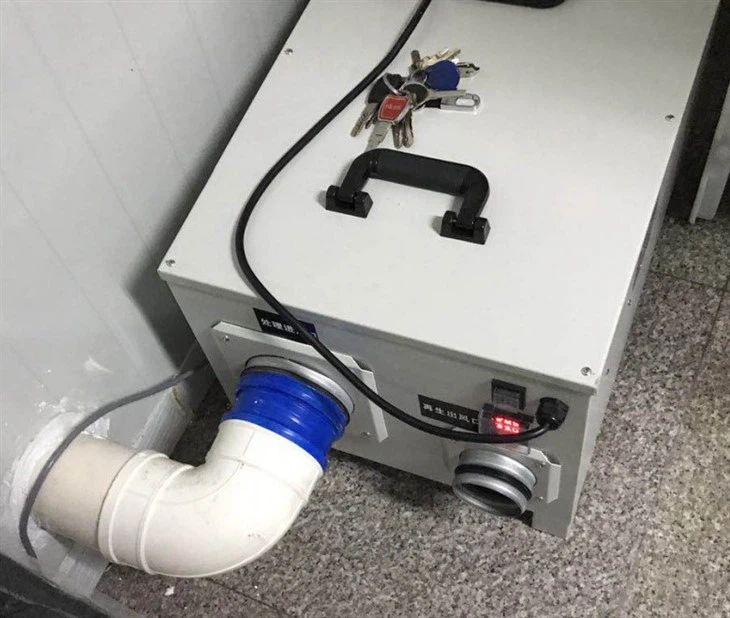
Food Drying Desiccant Dehumidifier
Food drying desiccant dehumidifiers are designed for specific applications, such as drying food products. While they can effectively remove moisture, they may not be optimized for the general humidity control needs of a camper van. Their features and functions are more tailored to the food industry, and they may not be the most cost - effective or practical option for a van.
Energy Efficient Industrial Dehumidifier
Energy - efficient industrial dehumidifiers are designed to reduce energy consumption in large industrial spaces. While they are more energy - efficient than traditional industrial dehumidifiers, they are still too large and complex for a camper van. Their advanced features are more suited to industrial environments rather than the simple needs of a camper van.
Conclusion
In conclusion, a 10L small dehumidifier can be a practical and effective solution for controlling humidity in a camper van. Its size, portability, energy efficiency, and moisture removal capacity make it well - suited to the unique environment of a van. However, it's important to consider factors such as noise level, maintenance, and drainage options when choosing a dehumidifier.
If you're a camper van owner looking for a reliable way to keep your van dry and comfortable, I encourage you to consider our 10L small dehumidifiers. Our products are designed with the specific needs of camper van users in mind, offering a balance of performance, efficiency, and convenience. We are committed to providing high - quality dehumidifiers that will enhance your camping experience. If you're interested in learning more or discussing your specific requirements, please feel free to reach out to us for a procurement discussion.
References
- American Society of Heating, Refrigerating and Air - Conditioning Engineers (ASHRAE). "Handbook of Fundamentals."
- Consumer Reports. "Dehumidifier Buying Guide."