

Can a desiccant dehumidifier be used in a档案室 (archive room in English)
Nov 14, 2025
As a seasoned supplier of desiccant dehumidifiers, I often get asked whether these machines can be used in an archive room. The answer is a resounding yes, and in this blog post, I'll delve into the reasons why desiccant dehumidifiers are a great fit for archive rooms, the benefits they offer, and some key considerations when choosing the right one.
The Importance of Humidity Control in Archive Rooms
Archive rooms are home to a vast array of valuable and often irreplaceable materials, including historical documents, photographs, manuscripts, and artifacts. These items are extremely sensitive to environmental conditions, particularly humidity. High humidity levels can lead to a host of problems, such as mold growth, paper degradation, ink fading, and the deterioration of photographic emulsions. On the other hand, low humidity can cause materials to become brittle and prone to cracking.
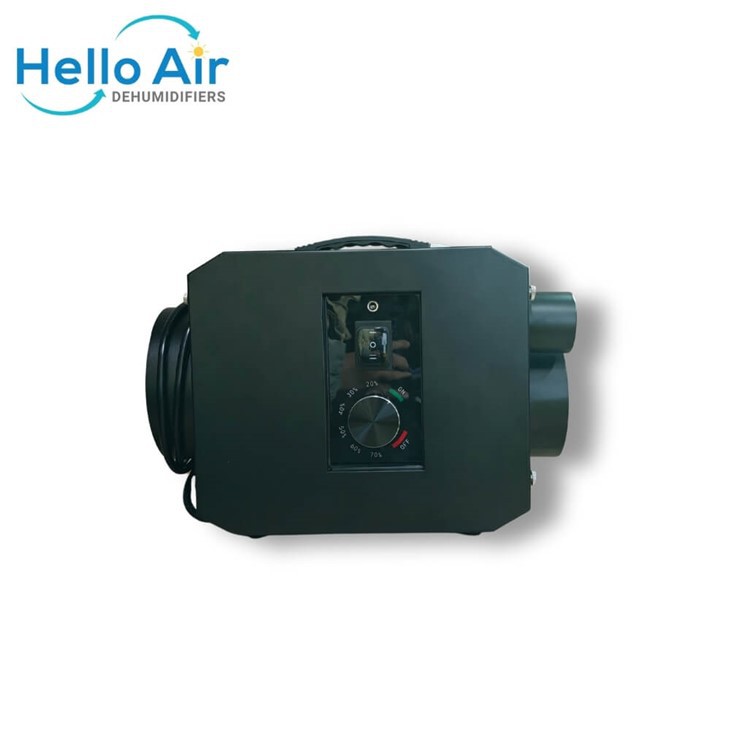
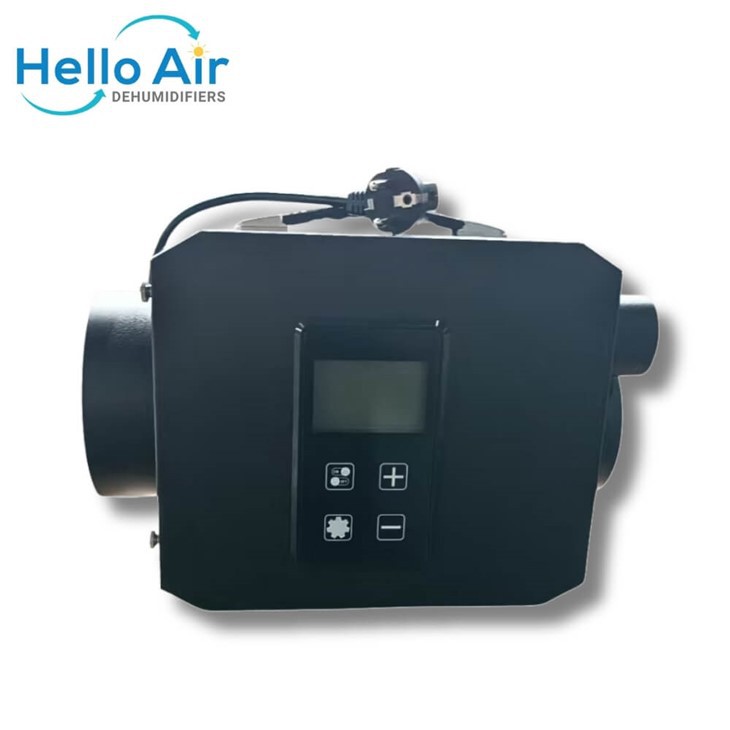
Maintaining a stable and optimal humidity level is crucial for preserving the integrity and longevity of these precious items. The ideal relative humidity (RH) range for most archive materials is between 30% and 50%. This range helps to prevent the growth of mold and mildew, slows down the chemical reactions that cause paper and ink degradation, and keeps materials in a flexible and stable condition.
How Desiccant Dehumidifiers Work
Desiccant dehumidifiers operate on a different principle than traditional refrigerant dehumidifiers. Instead of using a compressor to cool the air and condense moisture, desiccant dehumidifiers use a desiccant material, such as silica gel or molecular sieve, to adsorb moisture from the air.
The process begins when moist air is drawn into the dehumidifier and passed through a rotating desiccant wheel. As the air passes through the wheel, the desiccant material attracts and holds onto the moisture, leaving the air dry. The dry air is then released back into the room, while the moisture-laden desiccant is regenerated by passing hot air through the wheel. This process removes the moisture from the desiccant, allowing it to be reused in the dehumidification cycle.
Advantages of Using Desiccant Dehumidifiers in Archive Rooms
There are several reasons why desiccant dehumidifiers are well-suited for use in archive rooms:
- Effective at Low Temperatures: Unlike refrigerant dehumidifiers, which become less efficient at low temperatures, desiccant dehumidifiers can operate effectively in cold environments. This makes them ideal for archive rooms that may be located in basements or other areas with lower temperatures.
- Precise Humidity Control: Desiccant dehumidifiers can maintain a very precise humidity level, even in areas with high humidity fluctuations. This is important for archive rooms, where even small changes in humidity can have a significant impact on the preservation of materials.
- No Cooling Effect: Refrigerant dehumidifiers cool the air as they remove moisture, which can be a problem in archive rooms where maintaining a stable temperature is also important. Desiccant dehumidifiers do not have a cooling effect, so they can be used without affecting the room temperature.
- Low Noise Operation: Desiccant dehumidifiers are generally quieter than refrigerant dehumidifiers, which is important in archive rooms where a quiet environment is necessary for research and preservation activities.
- Energy Efficiency: Modern desiccant dehumidifiers are designed to be energy-efficient, using less power than traditional refrigerant dehumidifiers. This can result in significant cost savings over time, especially in large archive rooms.
Types of Desiccant Dehumidifiers for Archive Rooms
There are several types of desiccant dehumidifiers available on the market, each with its own features and benefits. Here are some of the most common types:
- Silica Gel Dryer: Silica Gel Dryer is a popular choice for small to medium-sized archive rooms. Silica gel is a highly effective desiccant material that can adsorb a large amount of moisture. These dryers are typically compact and easy to install, making them a convenient option for archive rooms with limited space.
- Low-temperature Dehumidifier For Ships 8L 12L: Low-temperature Dehumidifier For Ships 8L 12L are designed to operate in cold and humid environments, making them suitable for archive rooms located in basements or other areas with low temperatures. These dehumidifiers are available in different capacities, allowing you to choose the one that best suits the size of your archive room.
- 1500L/day Temperature Adjustable And Air Ventilation Desiccant Dehumidifier, For Workshop: 1500L/day Temperature Adjustable And Air Ventilation Desiccant Dehumidifier, For Workshop is a high-capacity dehumidifier that is ideal for large archive rooms or workshops. These dehumidifiers can remove a large amount of moisture from the air, and they also offer temperature adjustment and air ventilation features, which can help to maintain a comfortable and stable environment.
Key Considerations When Choosing a Desiccant Dehumidifier for an Archive Room
When choosing a desiccant dehumidifier for an archive room, there are several factors to consider:
- Room Size: The size of the archive room will determine the capacity of the dehumidifier you need. As a general rule, you should choose a dehumidifier with a capacity of at least 1 liter per day for every 10 square meters of floor space.
- Humidity Level: The current humidity level in the archive room and the desired humidity level will also affect your choice of dehumidifier. If the humidity level is very high, you may need a more powerful dehumidifier to bring it down to the desired range.
- Temperature: The temperature in the archive room is another important factor to consider. If the room is located in a cold area, you may need a dehumidifier that can operate effectively at low temperatures.
- Noise Level: As mentioned earlier, a quiet environment is important in archive rooms. Look for a dehumidifier that operates quietly, especially if the room is used for research or preservation activities.
- Energy Efficiency: Energy efficiency is an important consideration, especially if you plan to run the dehumidifier continuously. Look for a dehumidifier with a high energy efficiency rating to save on energy costs over time.
Conclusion
In conclusion, desiccant dehumidifiers are an excellent choice for use in archive rooms. They offer effective humidity control, precise temperature regulation, and low noise operation, making them ideal for preserving the integrity and longevity of valuable archive materials. When choosing a desiccant dehumidifier for your archive room, be sure to consider the size of the room, the humidity level, the temperature, the noise level, and the energy efficiency of the unit.
If you're interested in learning more about our desiccant dehumidifiers or need help choosing the right one for your archive room, please don't hesitate to contact us. Our team of experts is always ready to assist you with your dehumidification needs and help you find the best solution for your specific requirements.
References
- ASHRAE Handbook - HVAC Applications. American Society of Heating, Refrigerating and Air-Conditioning Engineers, Inc.
- National Archives and Records Administration. Preservation of Paper Records.
- International Council on Archives. Guidelines for the Preservation of Digital Heritage.